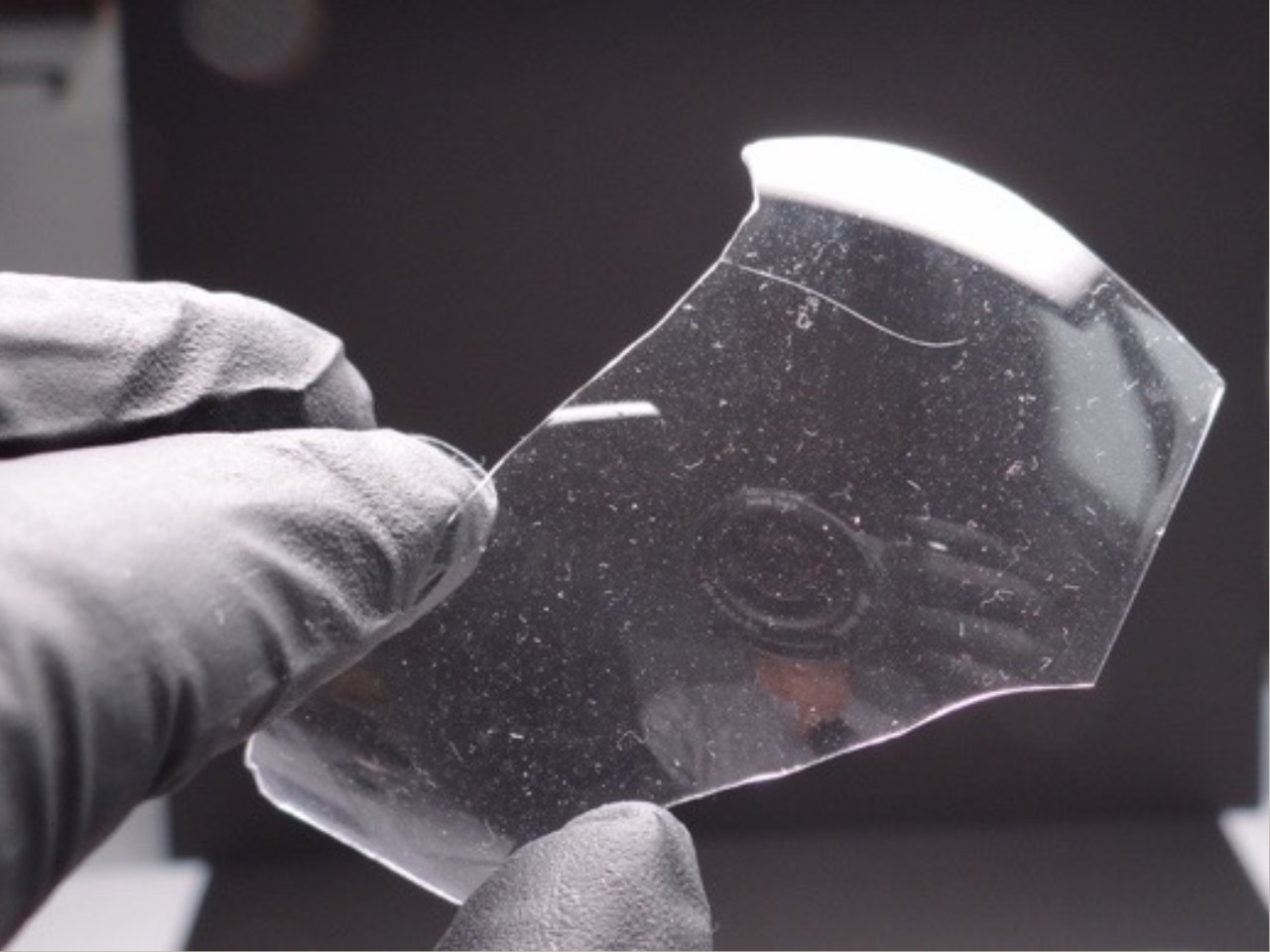
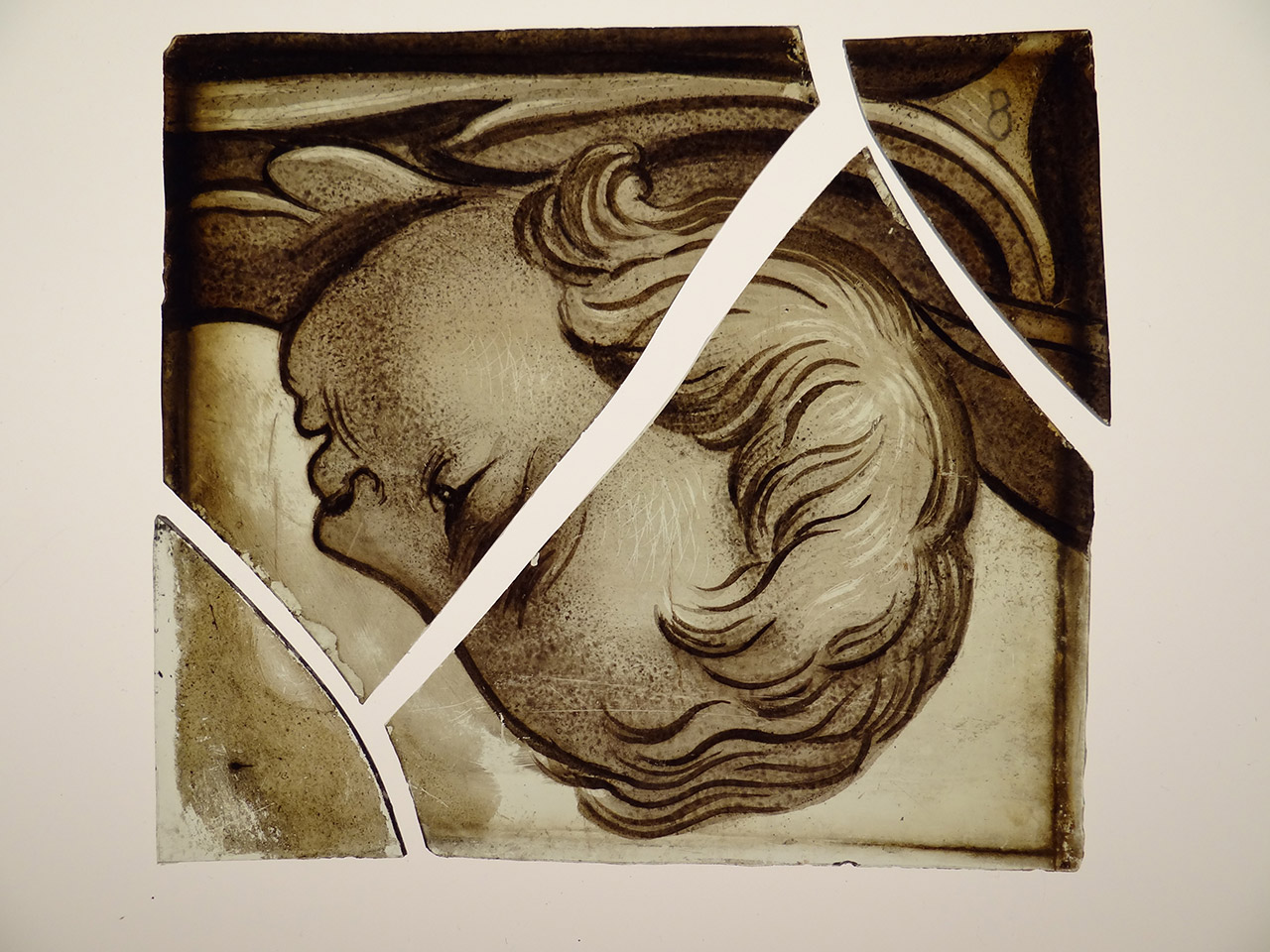
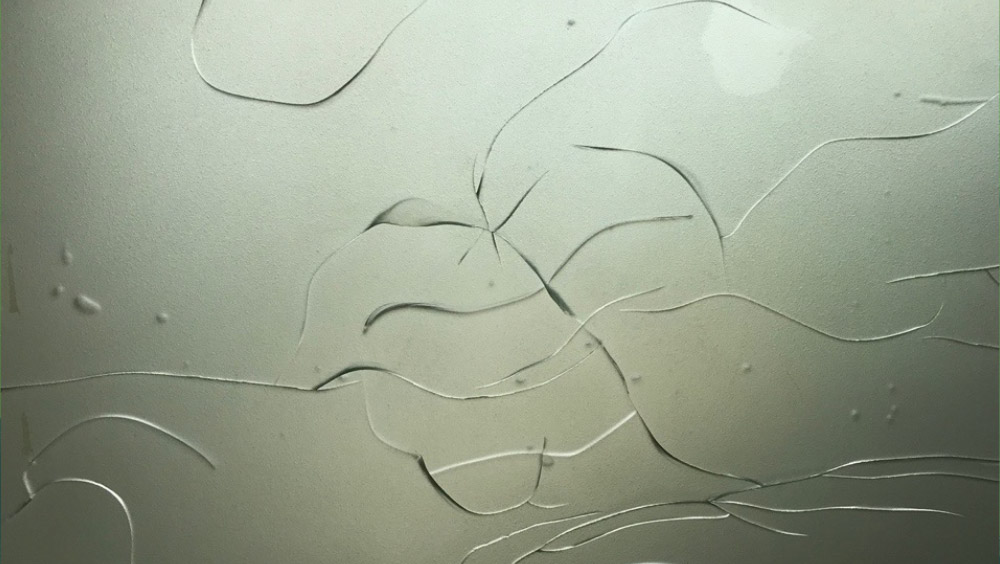
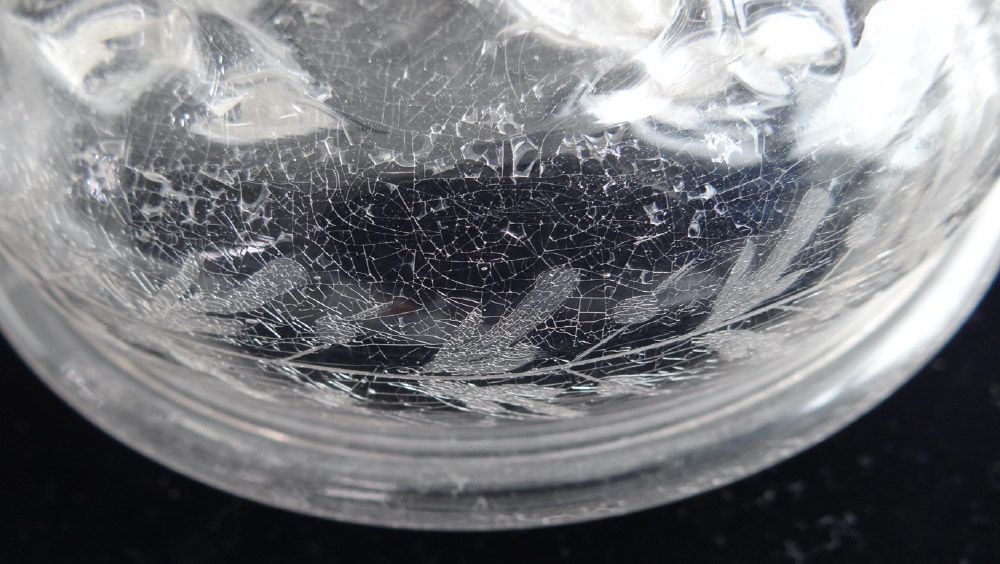
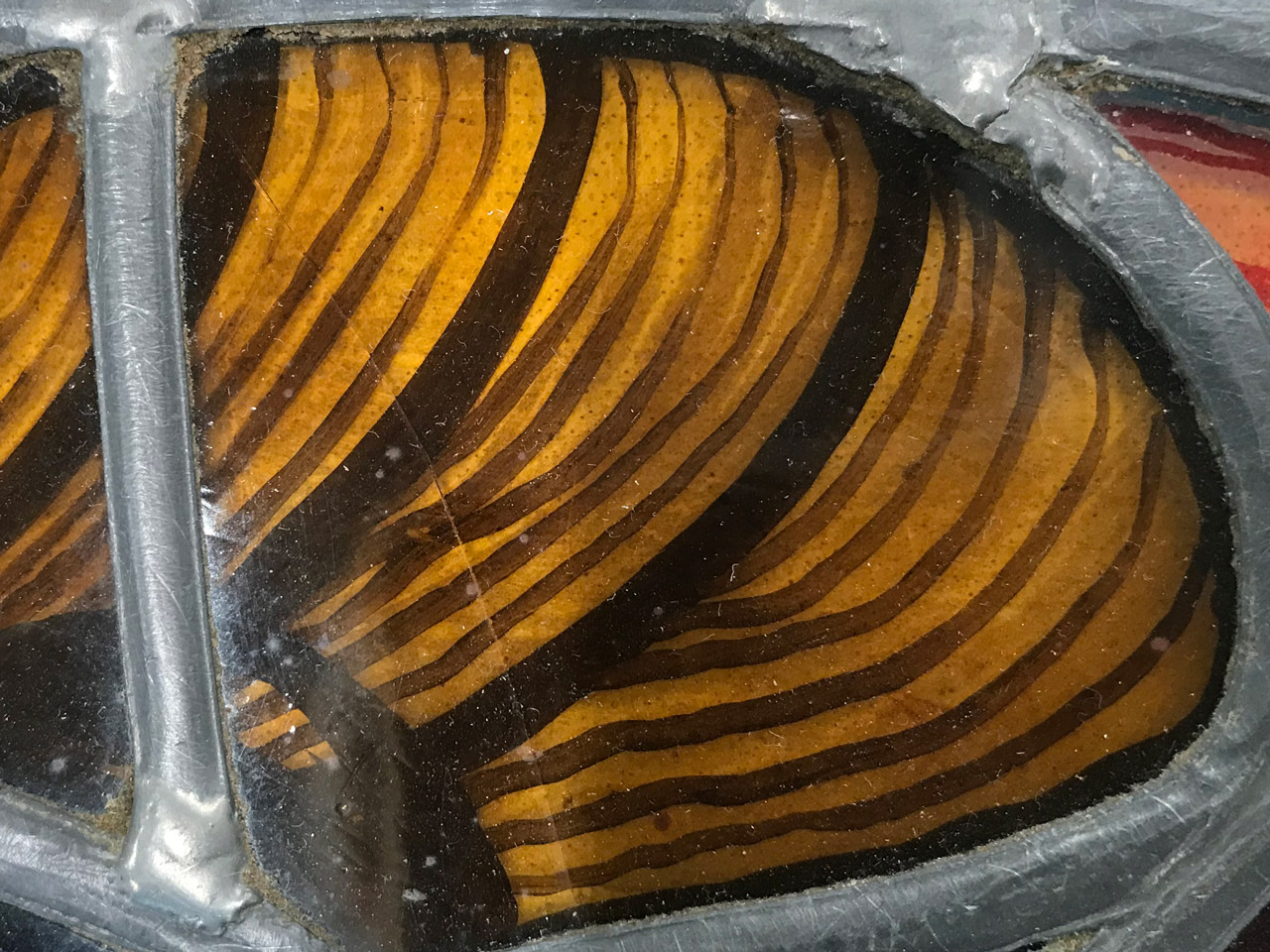
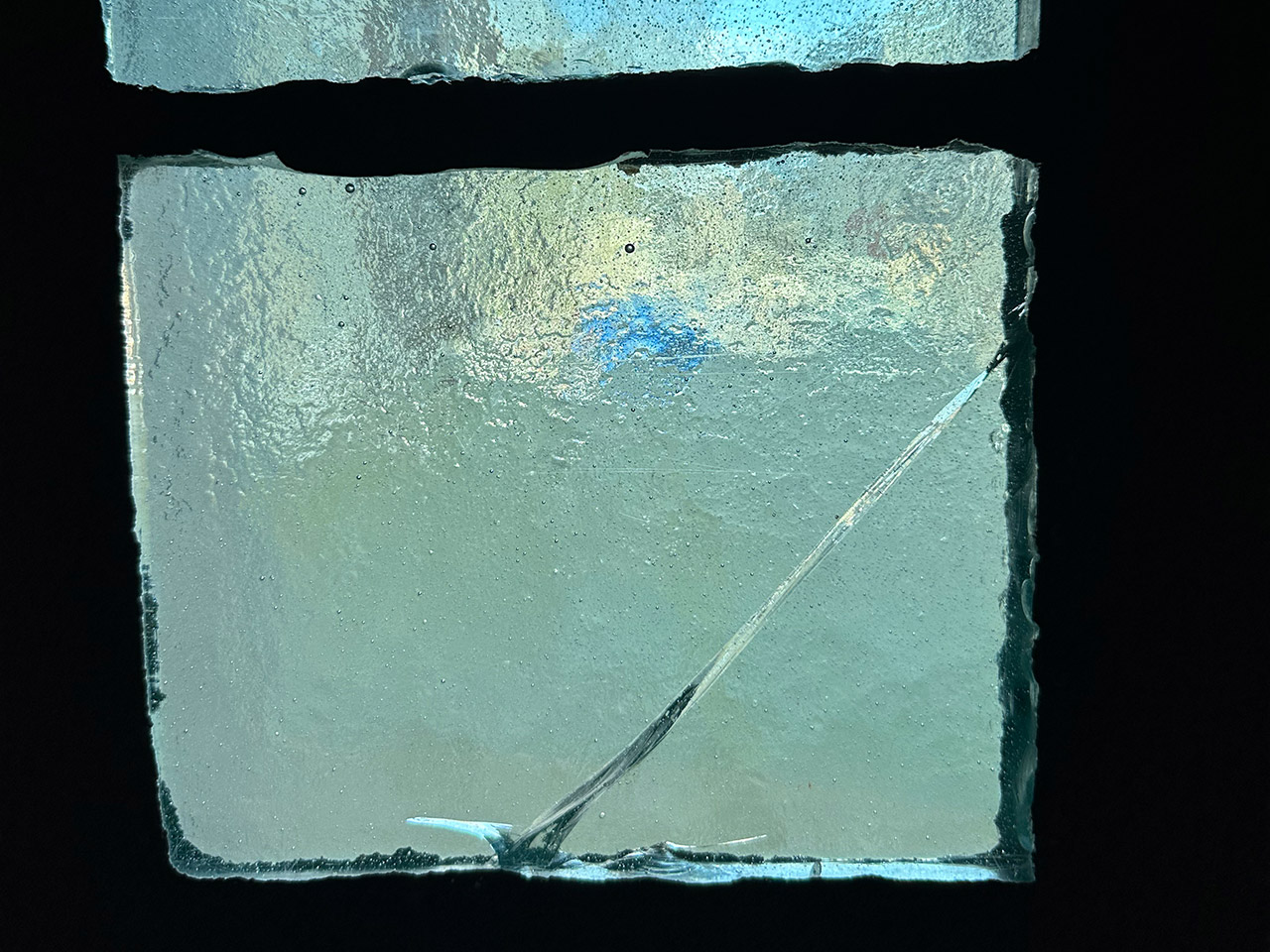
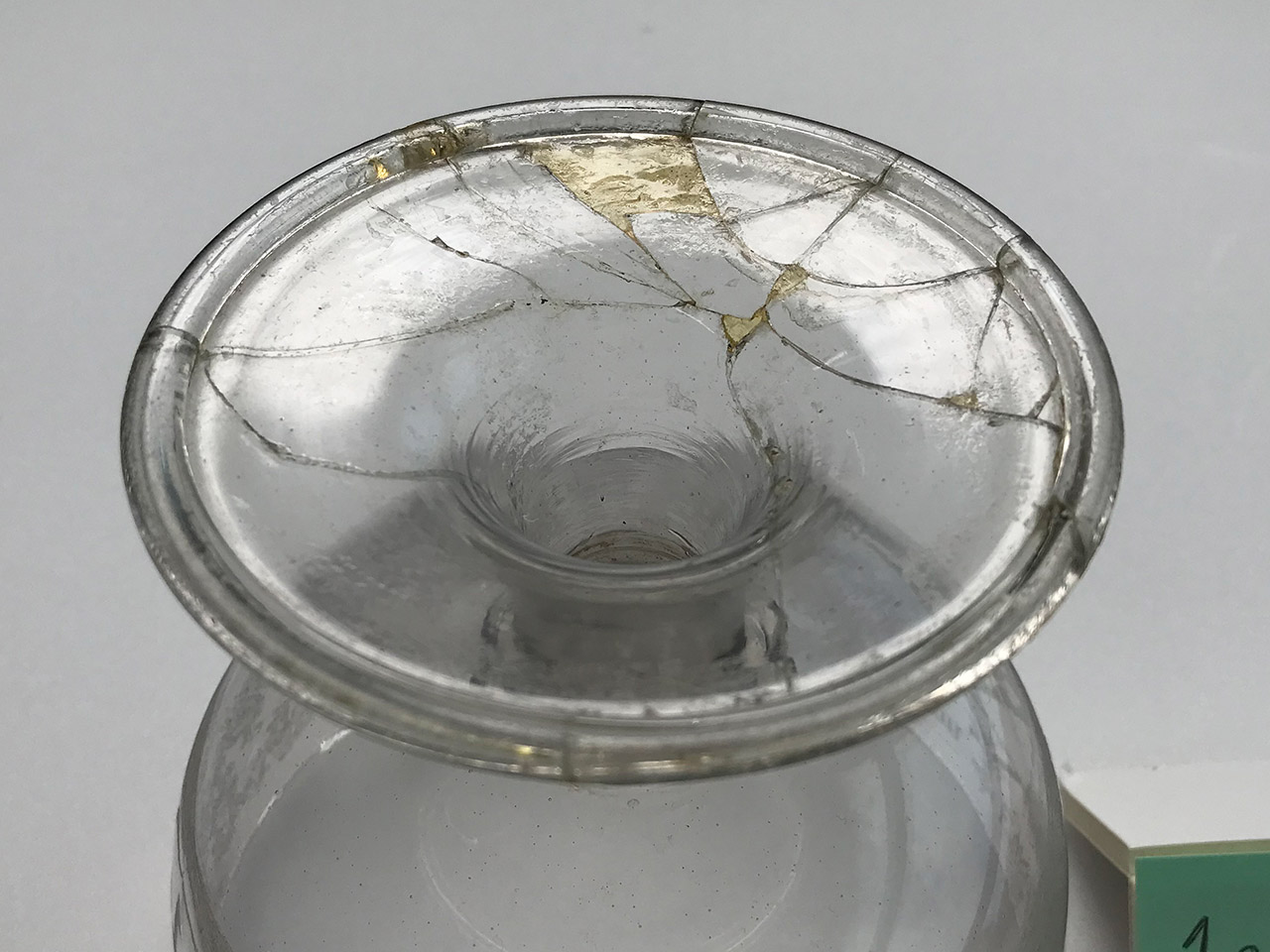
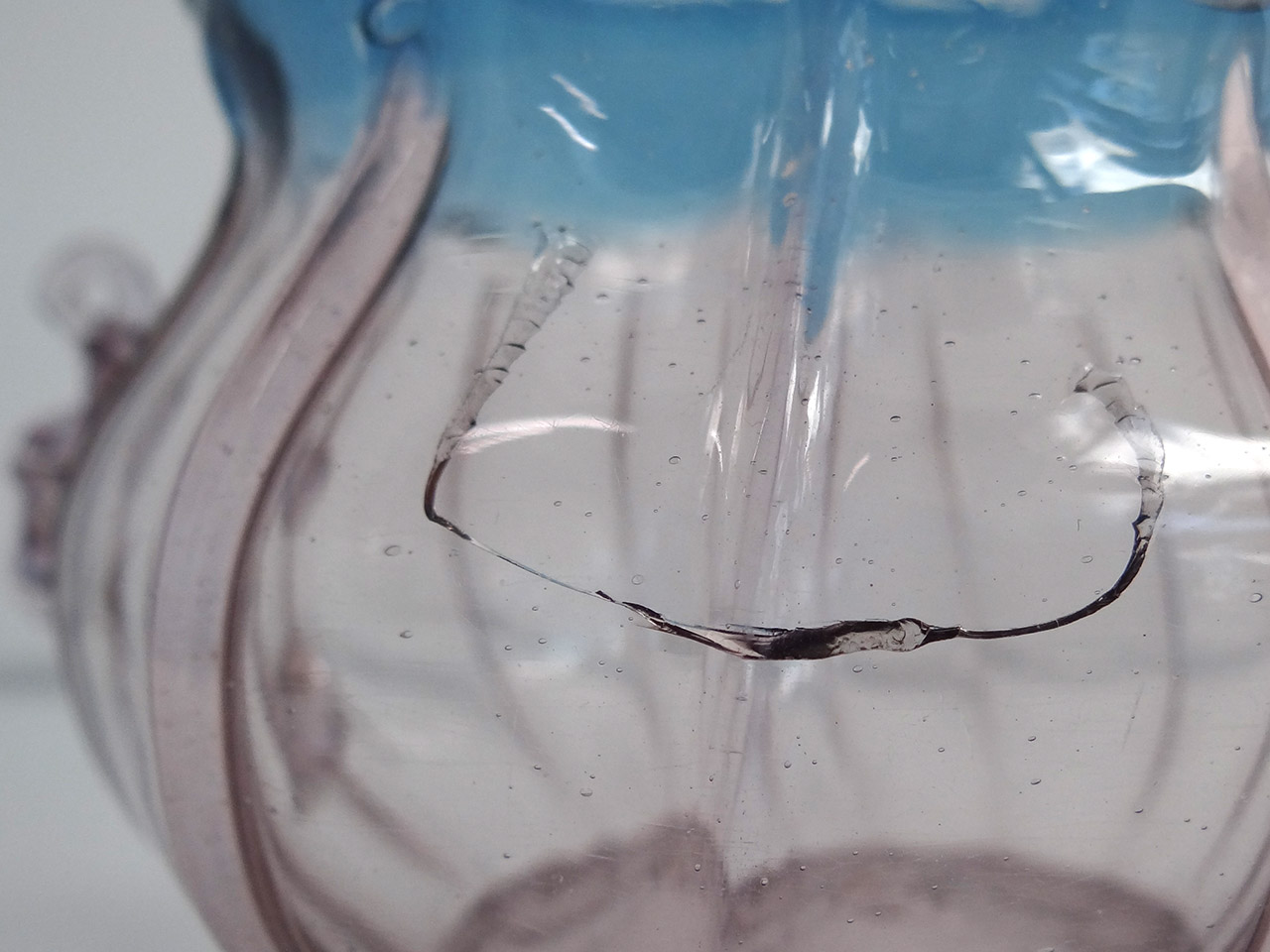
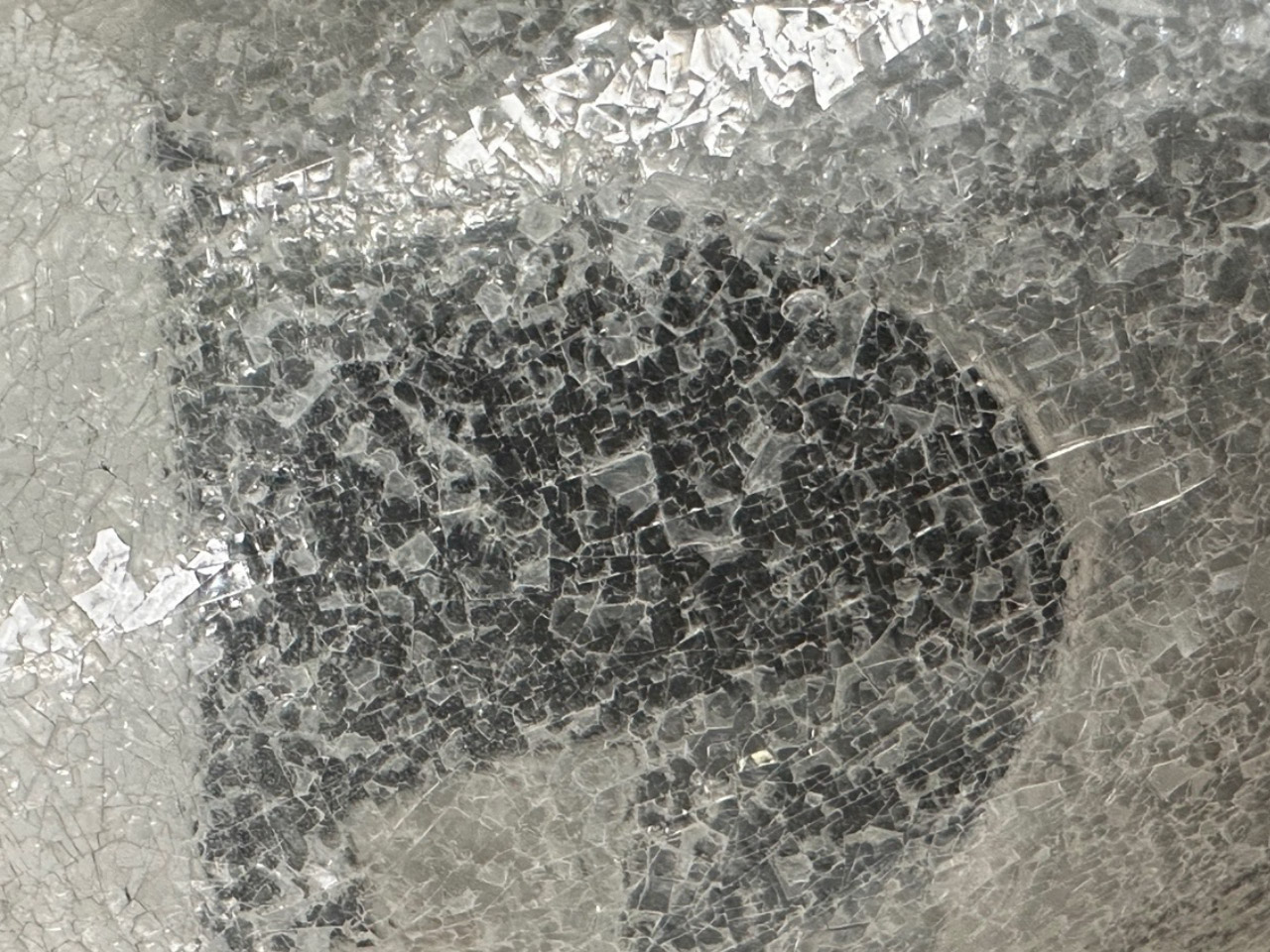
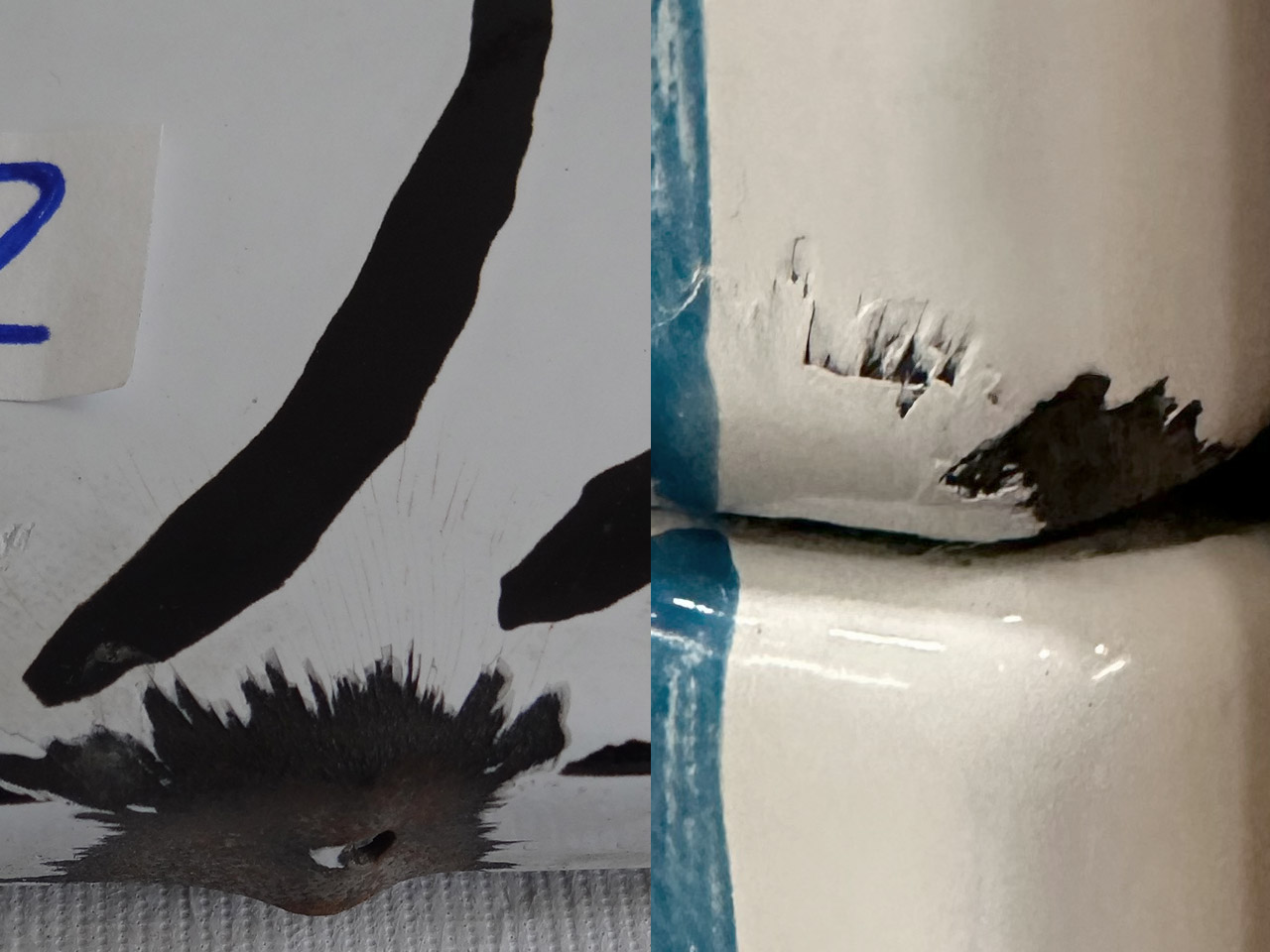
A crack in a glass object contains a wealth of information. It may result from external impact (knocks, blows or sudden temperature changes), internal stress within the glass or other aspects of the making process. The fracture pattern can reveal clues to its cause, which makes recording it important. Features of the making process, such as glass type, annealing or post-treatment processes, influence the fracture pattern. The fracture pattern of one or more cracks should be monitored to ensure they do not lengthen or branch further.
When examining cracks, various factors are considered, including the possible cause, shape, location within the object, the glass thickness around the crack, whether the crack extends through the full thickness of the glass (often making the crack tactile on both sides), any branching and other considerations. Fractographic analysis of fracture patterns allows the conservator to identify vulnerabilities within an object. The patterns are recorded using photography or technical drawings so that any future changes can be detected (see
technical analysis of materials – mapping).
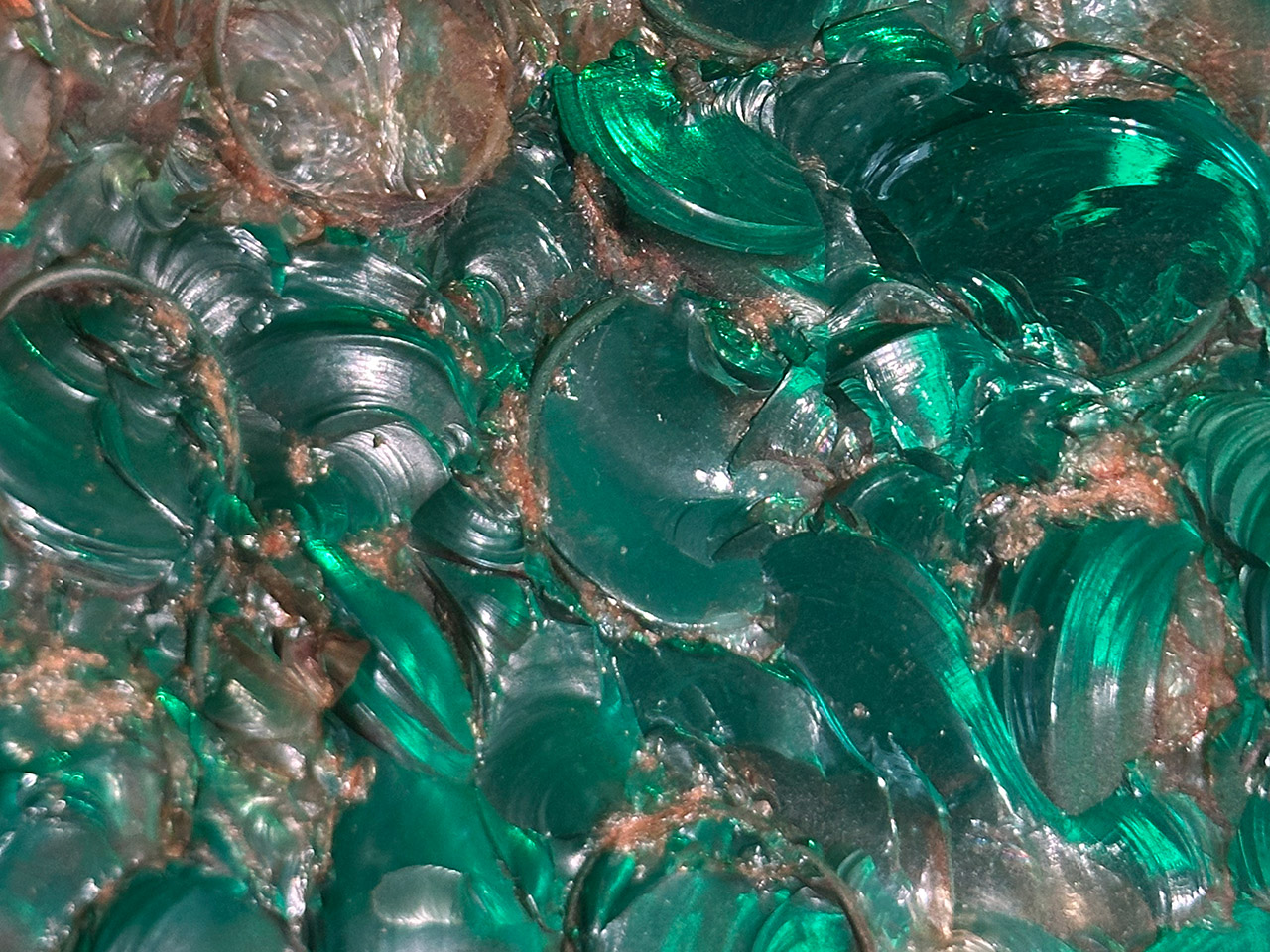
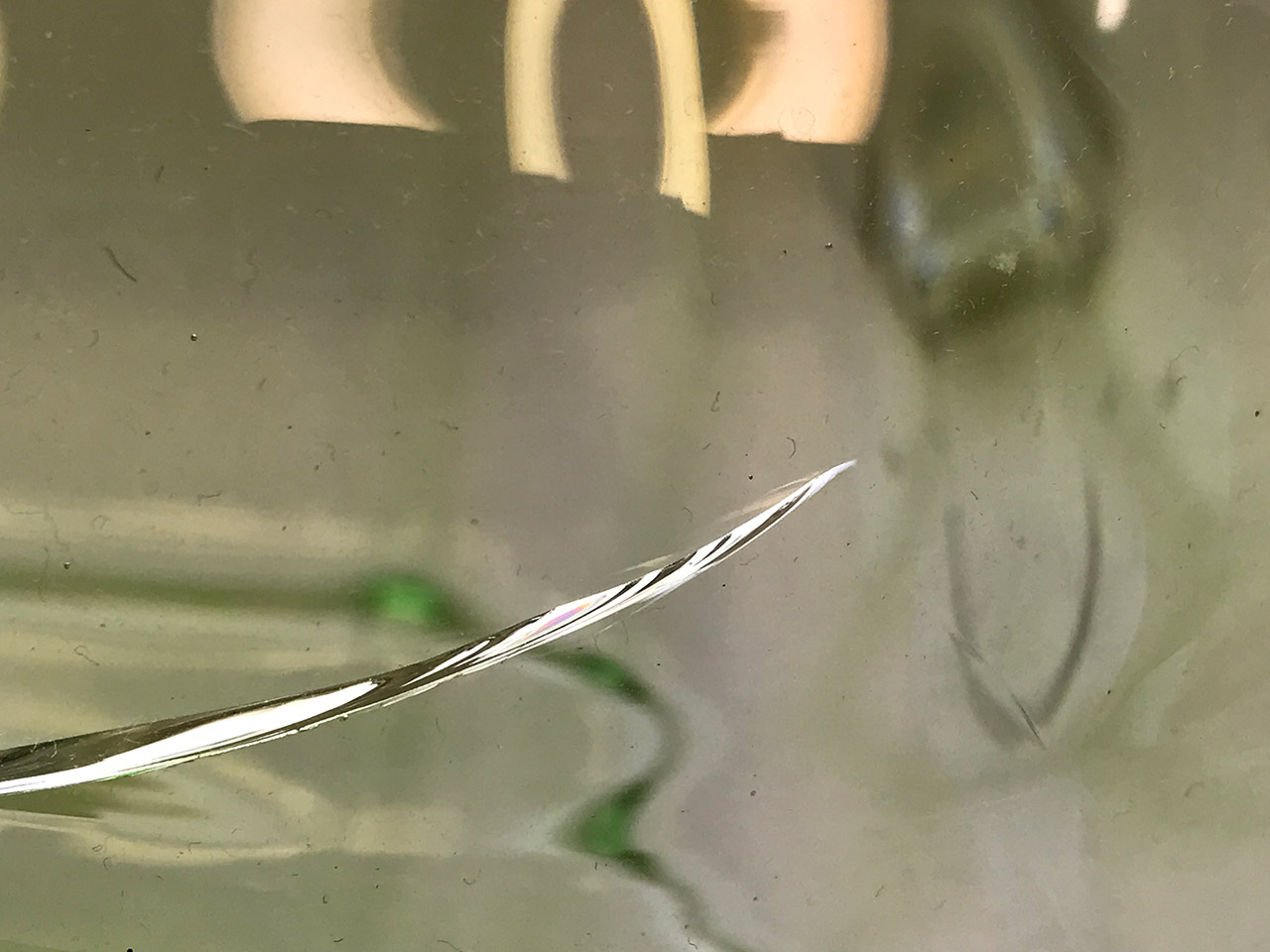
The fracture surface of a glass shard has a specific morphology. A fracture surface can be very smooth or may exhibit certain structural features. Examining the surface is an important part of the diagnostic process.
Internal cracks and fractures may be caused by glass degradation resulting from glass instability (see
atmospheric degradation).
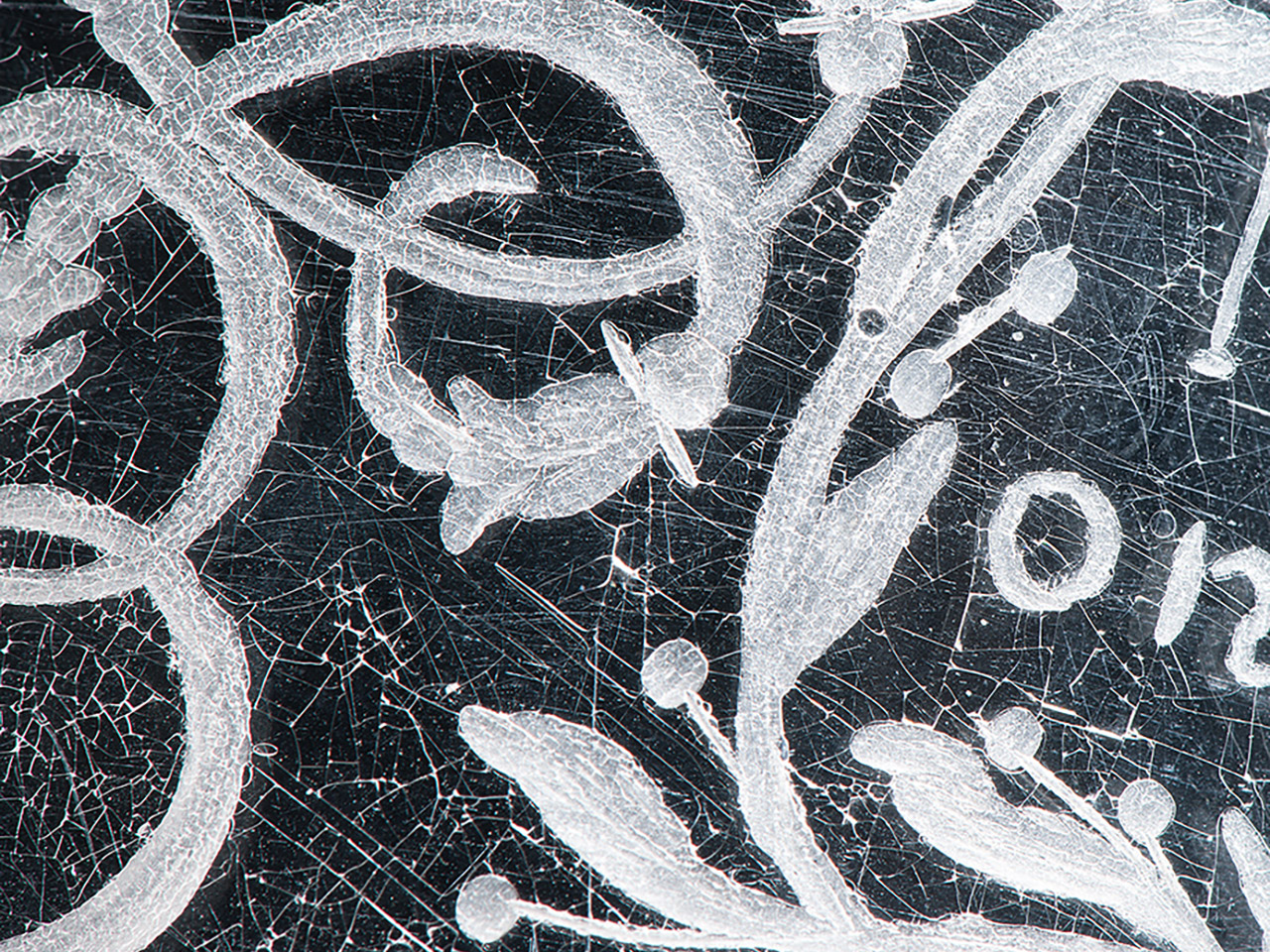
Cracks can also be intentional, as in ice glass or special decorative techniques (see
misleading characteristics).
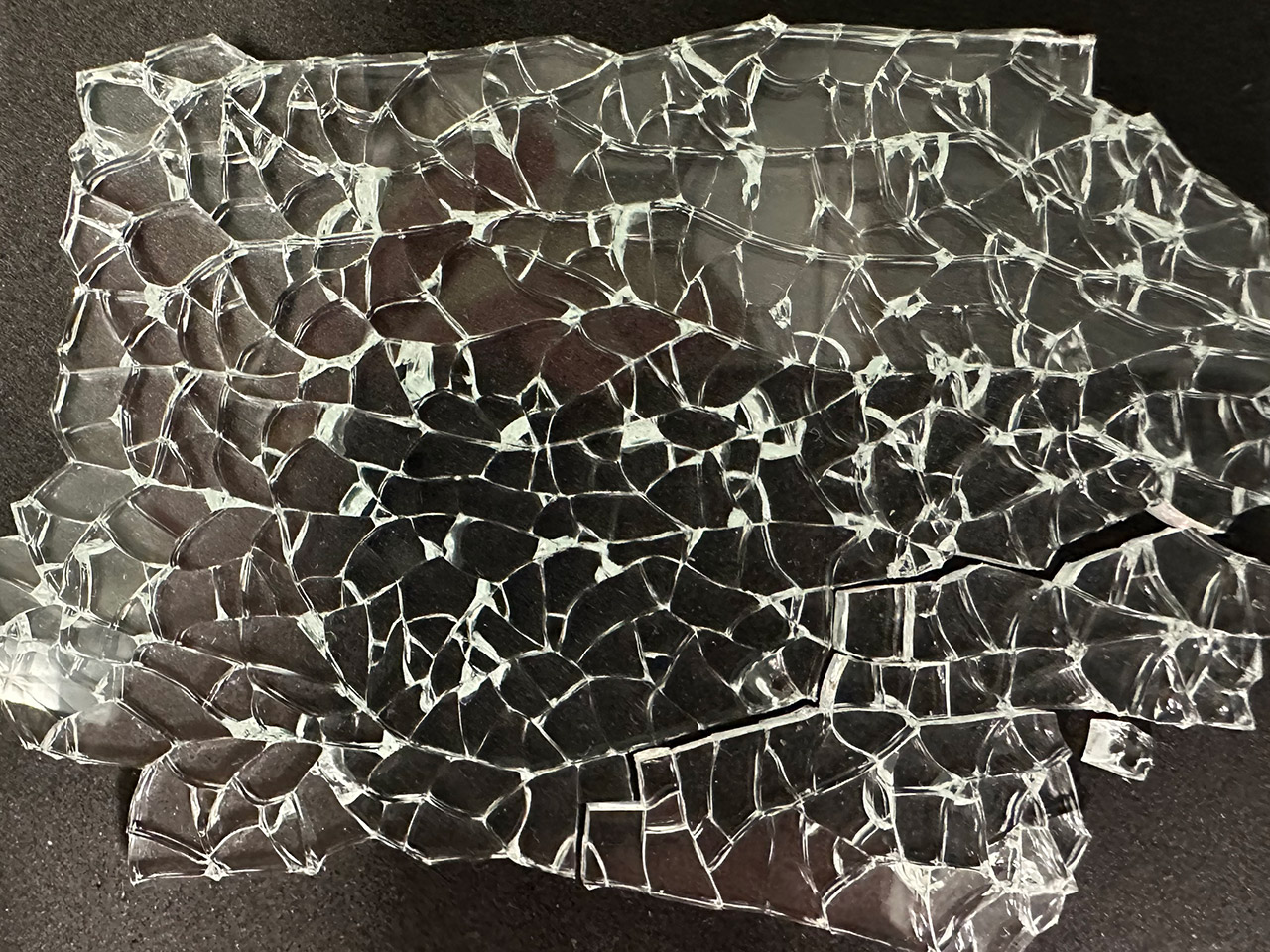
A well-known fracture pattern is that of thermally tempered glass. This type of glass has undergone a heat treatment, making it more resistant to breakage and extreme temperature fluctuations. If it does break, it produces a highly characteristic pattern of uniform, blunt fragments.